

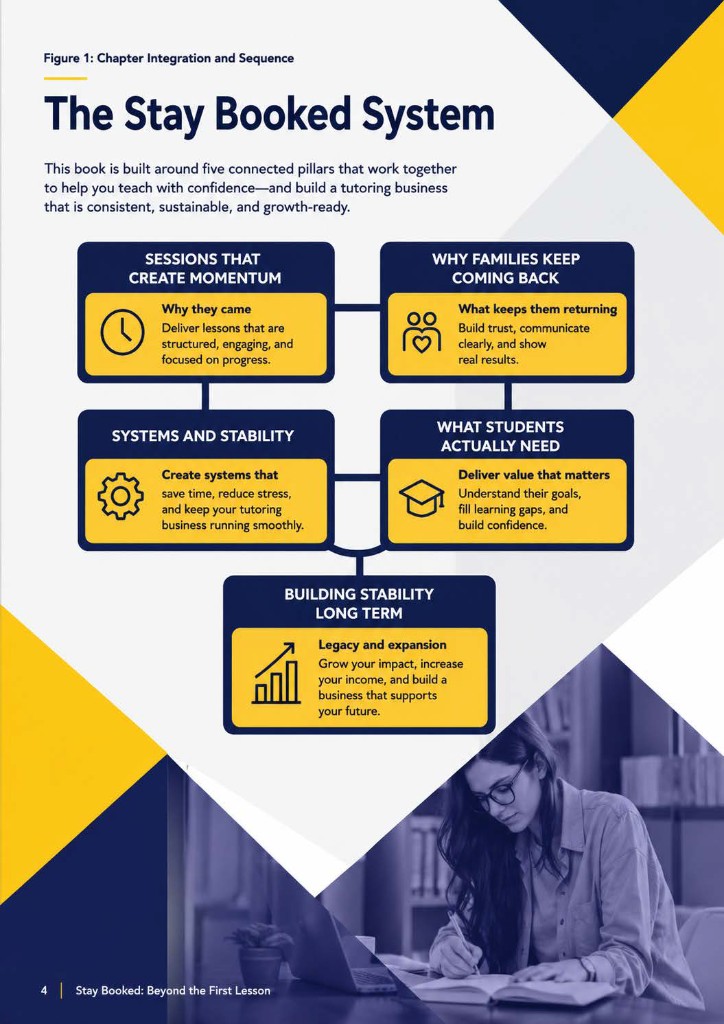
There is something quietly uncomfortable about hiring a tutor. You hand your child over to a stranger, pay them a not-insignificant sum of money, and then — perhaps most disorienting of all — you wait outside. You make tea. You scroll your phone. And somewhere in the other room, or over a video call, something is either happening or it isn't. You have no way of knowing which.
This is the fundamental reality of the parent-tutor relationship: parents rarely experience tutoring directly. They are not in the room. They do not see the whiteboard diagrams, hear the gentle corrections, or watch their child's face as a concept finally clicks. The actual substance of tutoring — the teaching, the rapport, the moment of breakthrough — is almost entirely invisible to the person paying for it.
And yet, parents make judgements constantly. They decide whether a tutor is "good." They decide whether to continue, to recommend, to trust. They do all of this based on something other than what's happening in the lesson itself.
What Parents Actually Experience
When a parent thinks about their child's tutor, what are they really drawing on? In most cases, it comes down to a handful of touchpoints: how the tutor communicated when they first enquired, whether sessions start on time, how the tutor responds when rescheduling is needed, whether any feedback is offered after the lesson, and how confident they feel in the whole arrangement.
Notice that none of these are about pedagogy. None of them require the parent to evaluate lesson structure, differentiated instruction, or the appropriateness of practice materials. Parents are not assessing the tutor's subject expertise — they are assessing the experience of being a client.
This is not a criticism of parents. It is simply a reflection of their position. Lacking access to the lesson itself, they fill the gap with what they can observe: communication, professionalism, responsiveness, reliability. These things become proxies for quality — and in many ways, rightfully so.
The Invisible Lesson Problem
Here is a scenario that plays out constantly in the tutoring world. A tutor delivers an excellent session. They have prepared thoughtful activities, pitched the content perfectly, built genuine warmth with their student, and left the child feeling more capable than when they arrived. By any internal measure, it was a success.
But the parent texts at 7pm asking how it went, and the tutor doesn't reply until the following afternoon. The parent calls to rearrange a date, and the tutor sounds distracted. A week later, the parent finds themselves hesitating when their friend asks if they'd recommend anyone.
The lesson was good. The relationship is fraying.
Equally, a tutor who makes a genuine mistake during a session — spends too long on one topic, misjudges the student's mood, fumbles an explanation — can still leave the parent feeling calm and confident. How? By sending a thoughtful message afterwards. By being honest about what they covered and what they'll focus on next time. By making the parent feel included, informed, and valued.
The lesson content barely registers. The communication does.
What This Means in Practice
For families choosing or evaluating a tutor, this has real implications. It means that the instinct to judge a tutor purely on academic results — especially in the short term — can lead to poor decisions in both directions. A tutor might be producing slow but meaningful progress while doing little to keep the family informed, and be dropped. A tutor might be charming and responsive while delivering mediocre teaching, and be kept.
The smarter approach is to look for tutors who understand both sides of their role. Teaching the student is the job. But communicating with the family is part of the job too — not an optional add-on or a nice-to-have. Families should feel comfortable asking: how will you keep me updated? What will you do if my child is struggling? How do I know if it's working?
A tutor who answers those questions clearly and consistently is likely to be a tutor worth keeping — regardless of whether you ever see the inside of their lessons.
The Trust Gap
There is a name for what parents are really trying to bridge when they hire a tutor: a trust gap. They cannot verify the quality of what they're buying directly. So they look for signals. And those signals are almost entirely interpersonal.
Closing the trust gap is not about grand gestures. It is about small, consistent actions: replying promptly, being upfront about challenges, offering a sentence or two of feedback after a session, following through on what you say you'll do. These actions accumulate into something parents can feel, even if they can't name it.
What they're feeling, when they feel it, is confidence. And confidence — not lesson quality, not academic outcomes, not even how much a child claims to like their tutor — is the real measure by which most families decide whether to stay.
The invisible lesson matters enormously. But it is the visible relationship that holds everything together.